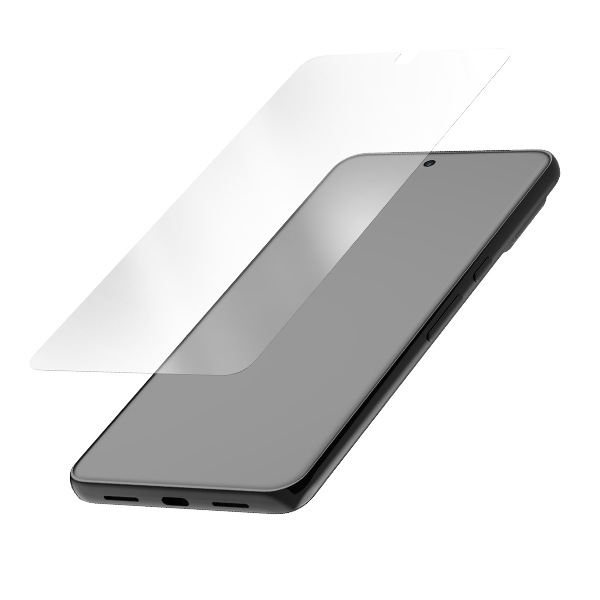
The Science Behind Screen Protection: How Do Screen Protectors Really Work?
Screen protectors have become essential accessories for modern smartphones, tablets, and other digital devices. But what exactly lies behind their protective capabilities? At their core, most screen protectors are made from materials like tempered glass or thermoplastic polyurethane (TPU). These substances are engineered to absorb shock and resist scratches, ensuring that your device's display remains intact even under duress. For instance, tempered glass protectors go through a rigorous heating and cooling process that increases their strength, making them up to five times more resistant to impact than regular glass.
Additionally, many screen protectors feature specialized coatings that enhance their functionality. For example, some products are infused with oleophobic coatings that repel fingerprints and oils, keeping the screen cleaner and clearer. Others might incorporate anti-glare technology to improve visibility in bright conditions. Understanding the science behind these functions can help consumers choose the right screen protector for their needs, ensuring maximum protection while maintaining device usability.
Counter-Strike is a popular tactical first-person shooter that emphasizes teamwork and strategy. Players can choose between two teams, Terrorists and Counter-Terrorists, each with specific objectives to accomplish. The game has a competitive scene with professional tournaments and has maintained a strong fanbase since its inception over two decades ago. Additionally, if you're looking to enhance your gaming experience, check out the Top 10 iphone air accessories that can elevate your setup.
Choosing the Right Screen Protector: Tempered Glass vs. Plastic Film
When it comes to protecting your device's screen, the choice between tempered glass and plastic film can significantly impact both durability and usability. Tempered glass screen protectors are known for their superior hardness and resilience, making them highly effective at preventing scratches and cracks from accidental drops. In contrast, plastic film offers a lighter and more flexible option, which can be beneficial for users who prefer a thinner layer of protection. However, it’s essential to weigh each option's pros and cons based on your lifestyle and how you use your device.
Additionally, consider the installation process and the longevity of each type. Tempered glass protectors typically come with an easy installation guide and are less likely to trap air bubbles, while plastic film may require more precision during application. Furthermore, tempered glass often has a longer lifespan than plastic film, making it a smart investment for heavy phone users. Ultimately, understanding the differences between these two materials will help you make an informed decision that best suits your needs and preferences.
5 Surprising Benefits of Using a Screen Protector Beyond Scratch Resistance
While many people associate screen protectors primarily with scratch resistance, these protective layers offer several other surprising benefits that can enhance your smartphone experience. Firstly, screen protectors can significantly reduce glare, making it easier to use your device in bright sunlight or well-lit environments. This feature not only enhances visibility but also helps to alleviate eye strain, allowing for longer and more comfortable usage sessions.
Another notable advantage is the potential for improved touch sensitivity. High-quality screen protectors are designed to be ultra-thin, ensuring that the responsiveness of your touchscreen remains intact. Additionally, some modern screen protectors come with anti-blue light technology, which helps to reduce the harmful effects of blue light emitted by screens, ultimately supporting better sleep patterns and reducing the risk of digital eye strain. With these unexpected benefits, it's clear that investing in a screen protector is a wise choice for any smartphone user.