The Science Behind Innovative Cooling Solutions: How They Work
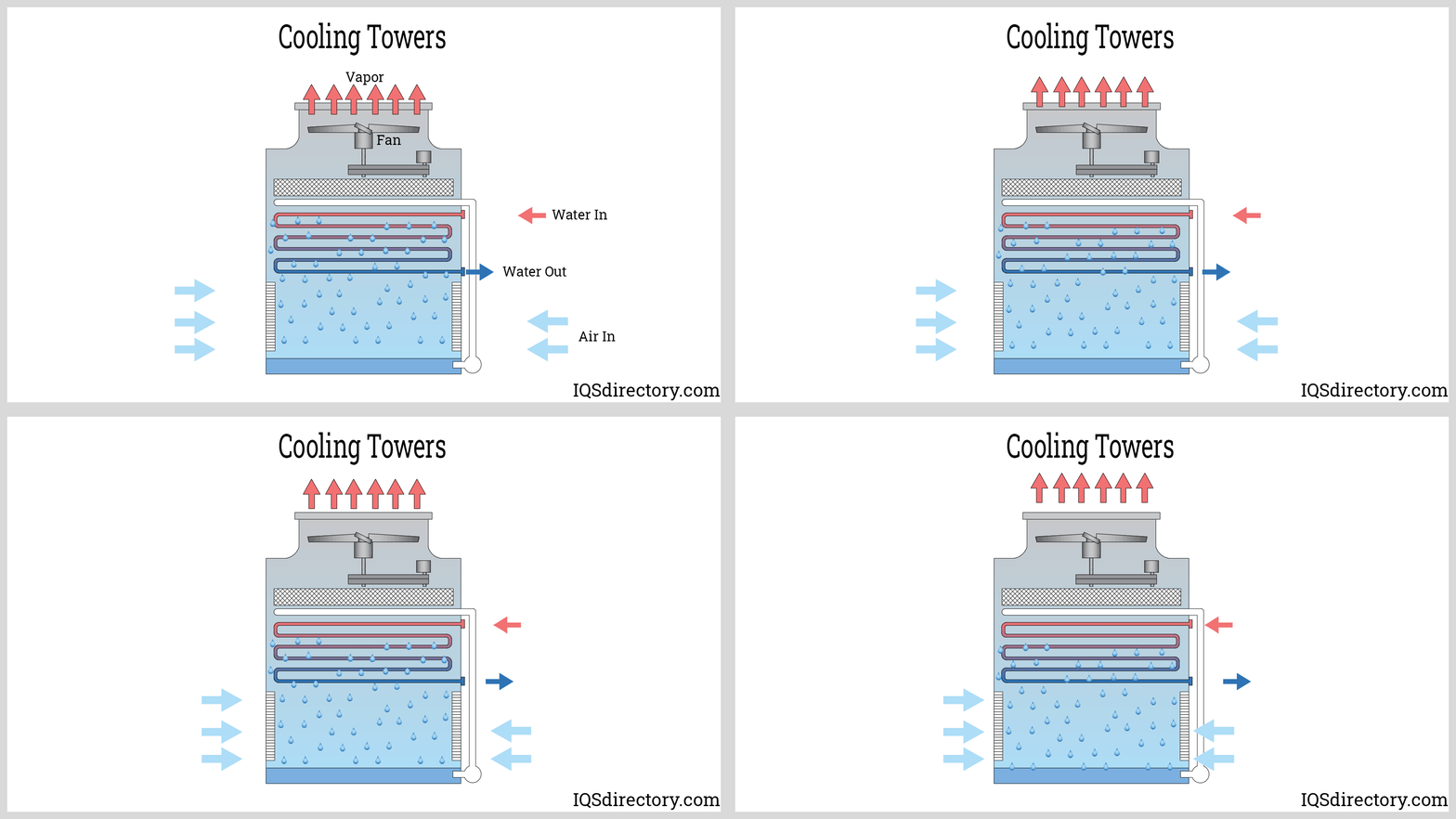
The science behind innovative cooling solutions involves understanding the principles of thermodynamics and heat transfer. These solutions utilize various technologies that effectively reduce temperatures by either removing heat from an area or improving the performance of existing cooling systems. For instance, systems like evaporative cooling leverage the natural process of evaporation, whereby water absorbs heat as it transitions from liquid to vapor, thus cooling the surrounding air. Additionally, technologies such as phase change materials utilize substances that absorb or release latent heat when they change states, offering an efficient way to manage thermal energy.
Moreover, modern cooling solutions often incorporate smart technology to enhance efficiency. For example, smart thermostats can learn user preferences and adjust the cooling output automatically, ensuring optimal comfort while minimizing energy consumption. Furthermore, innovative solutions like geothermal systems harness the stable temperatures of the earth to provide energy-efficient climate control. These advancements not only improve the effectiveness of cooling systems but also help reduce environmental impact by lowering energy usage, making them a critical component of sustainable design.
Counter-Strike is a highly popular multiplayer first-person shooter that pits teams against each other in various objective-based scenarios. Players can choose to be part of either the terrorist team or the counter-terrorist team, with each side having unique missions to fulfill. To enhance your gaming experience, consider investing in a good setup, like the Top 10 macbook stands that can provide better ergonomics and comfort while playing.
Top 5 Eco-Friendly Cooling Technologies for Sustainable Living
As the world grapples with rising temperatures and climate change, embracing eco-friendly cooling technologies is more important than ever for sustainable living. This article explores the top 5 eco-friendly cooling technologies that not only keep your space comfortable but also minimize environmental impact. These innovative solutions harness natural processes and renewable energy sources, making them an ideal choice for environmentally conscious individuals and businesses alike.
- Evaporative Coolers: Often referred to as swamp coolers, these devices work by passing warm air over water-saturated pads, resulting in a cooler environment. They consume significantly less electricity than traditional air conditioning units, making them a cost-effective and sustainable option.
- Geothermal Cooling: Utilizing the earth's stable underground temperature, geothermal cooling systems exchange heat with the earth to maintain a comfortable indoor climate. These systems are highly efficient and offer long-term savings on energy bills.
- Solar-Powered Air Conditioners: By harnessing solar energy, these air conditioners reduce reliance on fossil fuels, thus cutting down on greenhouse gas emissions. They're perfect for sunny regions and contribute to a sustainable lifestyle.
- Passive Cooling Design: This method incorporates architectural features, such as orientation, ventilation, and thermal mass, to enhance cooling naturally without mechanical systems. Incorporating passive cooling strategies can significantly reduce energy usage.
- Smart Thermostats: These devices optimize your heating and cooling schedules based on your usage patterns, reducing energy consumption when you're not home. By using smart technology, homeowners can enjoy comfort while promoting sustainability.
How to Choose the Right Cooling Solution for Your Home: A Comprehensive Guide
Choosing the right cooling solution for your home involves understanding several key factors that can significantly affect your comfort and energy efficiency. Begin by assessing the size of your space; cooling systems come in various capacities, and a system that’s too small won’t cool your home effectively, while a system that’s too large can lead to unnecessary energy costs. It's essential to consider the insulation of your home as well, as good insulation can reduce the workload on your cooling solution. Additionally, evaluate your local climate; homes in hotter regions might benefit from central air conditioning units, while those in milder climates might find ceiling fans or evaporative coolers more appropriate.
Next, think about the energy efficiency of potential cooling systems. Look for units with high SEER (Seasonal Energy Efficiency Ratio) ratings, as these will typically reduce your energy bills over time. Consider your budget as well; while it may be tempting to choose a lower-cost option, investing in a higher-quality unit can lead to long-term savings in both energy usage and maintenance costs. Finally, don't overlook smart cooling technologies. Many modern systems offer programmable thermostats and remote control options, allowing for personalized comfort and efficiency. By weighing these factors, you'll be well on your way to selecting the best cooling solution for your home.