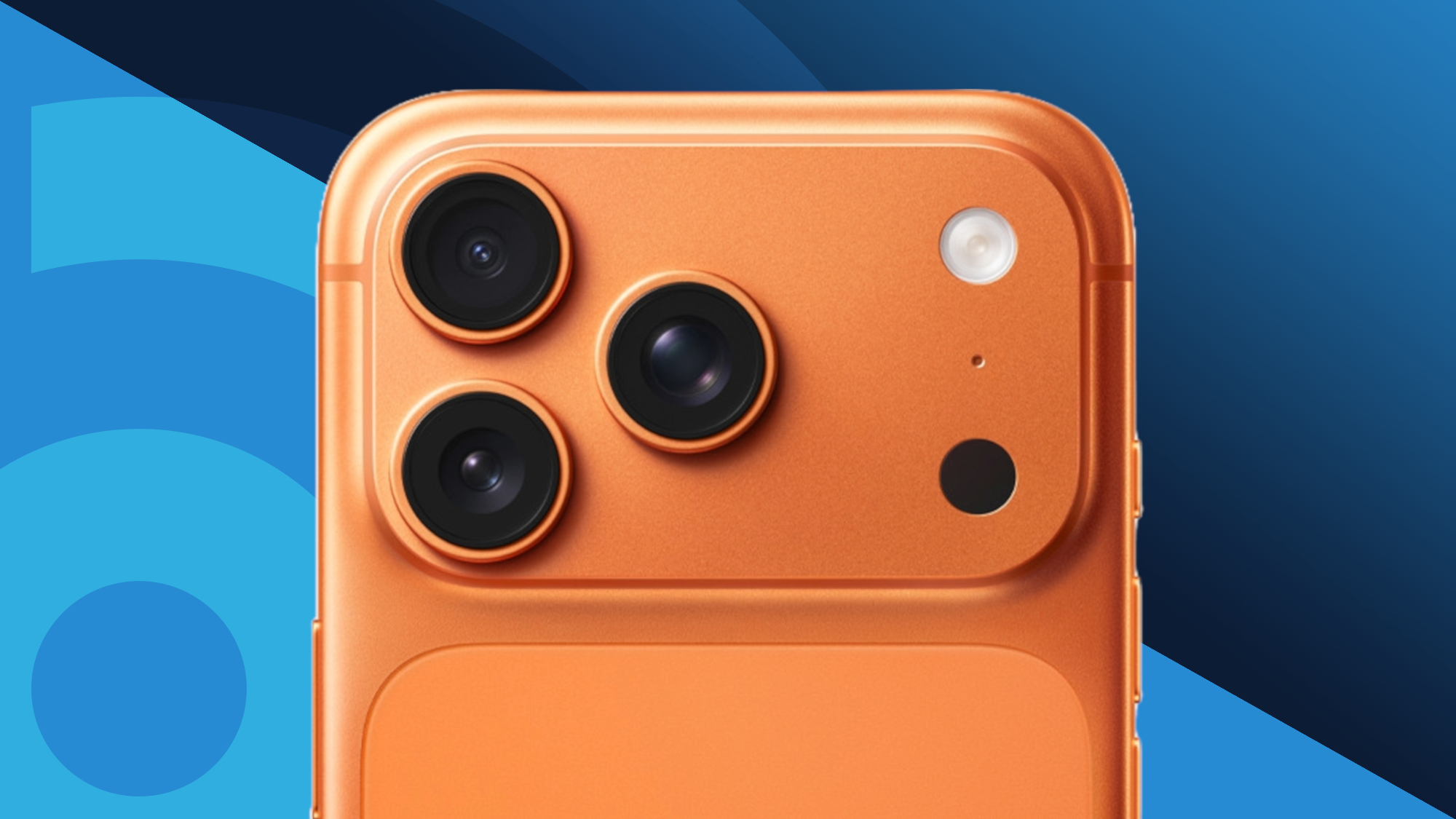
The Psychology Behind Our iPhone Addiction: Why We Can't Stop Swiping
The rise of smartphone usage, particularly the iPhone, has reshaped the way we interact with the world. This phenomenon has profound psychological implications, as our brains are wired to seek rewards. When we receive notifications or see new content, our brain releases dopamine, a neurotransmitter associated with pleasure and motivation. This creates a feedback loop where every swipe or tap can trigger a feeling of satisfaction, making it incredibly difficult to resist the allure of checking our devices. The psychology behind our iPhone addiction is rooted in the design of apps and social media platforms, which are intentionally created to keep us engaged for as long as possible.
Moreover, the concept of FOMO (Fear of Missing Out) further drives our compulsive behavior. As we scroll through our social media feeds, we are bombarded with images and updates from friends, influencers, and news outlets, making it hard to disengage. The idea that we might miss an important event or trending topic becomes a powerful motivator to keep swiping. Research suggests that this constant need for connection can lead to anxiety and decreased attention spans, reinforcing the cycle of addiction. Understanding the nuanced psychology behind our iPhone addiction is crucial for developing healthier digital habits.
Counter-Strike is a popular tactical first-person shooter game that has captivated millions of players worldwide. It emphasizes teamwork, strategy, and precision, making each round a thrilling experience. Players can choose to be part of either the terrorist or counter-terrorist teams, each with specific objectives to achieve. For gamers looking to enhance their gaming experience, they might also be interested in checking out the Top 10 iphone slim cases for mobile devices.
iPhone Evolution: How Apple's Design Keeps Us Hooked
The evolution of the iPhone is a testament to Apple's unwavering commitment to design and innovation. Since its launch in 2007, each iteration has not only improved in technical specifications but also in aesthetic appeal. The smooth curves, vibrant displays, and minimalist interfaces have consistently set new standards in the smartphone market. As Apple continues to refine its approach, users find themselves captivated by features like the Face ID and advanced camera systems. This continuous enhancement is crucial in creating a hook that keeps customers coming back for the latest models, eager to experience the cutting-edge designs that redefine mobile technology.
Furthermore, Apple's strategic marketing plays a pivotal role in maintaining this allure. Each new release is accompanied by a meticulous design narrative that highlights the craftsmanship and thoughtfulness that goes into every product. The company's branding emphasizes not just functionality but also the lifestyle associated with using an iPhone. From immersive launch events to compelling advertising campaigns, the emotional connection fostered through design aesthetics and user experience makes it difficult for consumers to resist upgrading. In this way, the iPhone's evolution is not merely about technological advancements but about crafting a brand identity that keeps us all hooked.
Is Your iPhone an Extension of Yourself? Exploring Digital Identity
The rapid integration of smartphones into our daily lives has prompted many to question whether our devices, like the iPhone, have become an extension of ourselves. As we navigate through various aspects of life—social interactions, work tasks, and personal hobbies—our iPhone serves as a digital companion, seamlessly blending the physical and virtual worlds. With apps designed to enhance communication, productivity, and entertainment, it’s hard to ignore how much we rely on our devices. This dependence begs the question: Are our identities increasingly intertwined with our digital tools?
Moreover, the concept of digital identity has evolved alongside the adoption of smartphones. Through social media, digital footprints, and online profiles, we curate a version of ourselves that exists beyond the tangible realm. This projected self often reflects our values, interests, and connections, making our iPhone not just a communication device but a critical component of our self-perception. As we explore this relationship, it becomes essential to understand how these interactions shape our identity and influence our sense of self in an increasingly digital world.