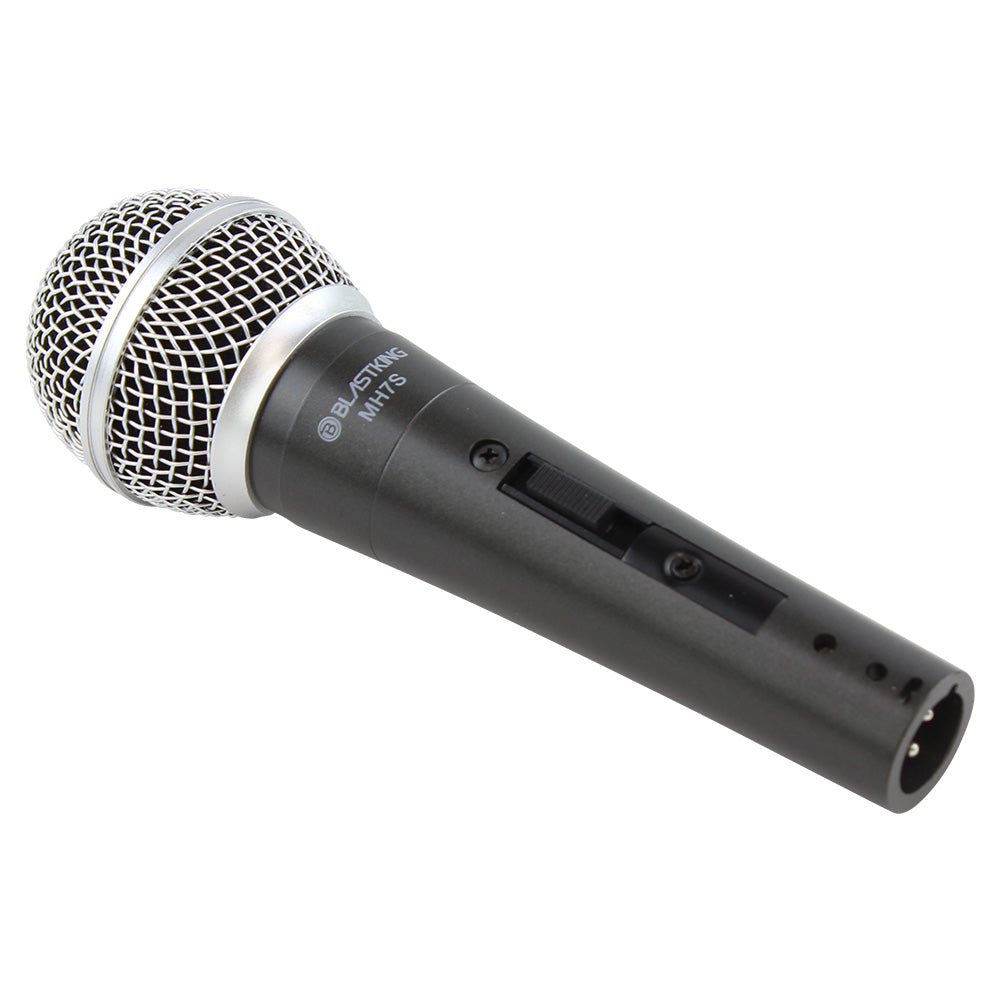
The Evolution of Microphones: From Vintage to Modern Sound Capture
The evolution of microphones has transformed the way we capture sound, enabling a range of applications from music recording to live performances. The earliest microphones, such as the carbon button microphone invented in the 1870s, laid the groundwork for modern sound capture. These vintage devices operated on a simple principle: sound waves would cause vibrations in carbon granules, changing the electrical resistance and producing an audio signal. Over the decades, innovations like the ribbon microphone in the 1920s and the dynamic microphone in the 1930s provided greater fidelity and durability, allowing artists and engineers to record with unprecedented clarity.
Fast forward to today, and the microphone landscape has greatly expanded with advancements in technology. Modern microphones utilize a variety of technologies, including condenser, dynamic, and lavaliere designs that cater to specific recording needs. For instance, condenser microphones are favored in studio settings for their sensitivity and wide frequency response, while dynamic microphones are often used for live performances due to their robustness. Additionally, the rise of USB microphones has democratized sound recording, making it accessible for podcasters and home studio enthusiasts alike. This transition from vintage to modern sound capture highlights the remarkable journey of microphones and their significance in shaping audio experiences.
Counter-Strike is a popular first-person shooter game that emphasizes teamwork and strategy. Players can choose between two teams, Terrorists and Counter-Terrorists, to compete in various game modes. The gameplay is fast-paced, requiring quick reflexes and communication among teammates. If you're also interested in enhancing your gaming experience, check out these Top 10 Phone Accessories for YouTube that can help improve your streaming quality.
How to Choose the Right Microphone for Your Unique Needs
Choosing the right microphone for your unique needs can significantly enhance the quality of your recordings, whether you're a podcaster, musician, or content creator. Consider the type of microphone best suited for your purpose. For instance, dynamic microphones are excellent for live performances due to their durability and ability to handle high sound pressure levels, whereas condenser microphones are often preferred in studio settings for their sensitivity and clarity. Additionally, lavaliere microphones are perfect for interviews and presentations, offering hands-free operation. Take the time to assess your specific requirements to ensure you choose a microphone that aligns with your goals.
Furthermore, when selecting a microphone, it's essential to evaluate features such as polar patterns and connectivity options. Cardioid patterns are ideal for isolating sound from the front while minimizing background noise, making them favorable for most applications. On the other hand, if you plan on recording multiple sources simultaneously, consider omnidirectional microphones. Additionally, check whether you need a USB microphone for easy plug-and-play functionality or an XLR microphone for professional setups with audio interfaces. By understanding these factors, you can make an informed decision that best fits your unique recording needs.
What Makes a Microphone Perfect for Podcasting and Recording?
When it comes to podcasting and recording, the microphone you choose can significantly impact the quality of your audio. A perfect podcast microphone should possess several key features. Firstly, it should have a high sensitivity to capture even the slightest nuances of sound, ensuring clarity and depth. Additionally, consider a microphone with a cardioid pickup pattern, which focuses on sound from the front while minimizing background noise, making it ideal for voice recording. Durability and ease of setup are also essential; a microphone that can withstand regular use while being user-friendly is vital for podcasters who prioritize efficiency.
Another critical aspect of your podcasting microphone is its connectivity. A perfect microphone should offer flexible connection options, such as XLR or USB, to cater to different recording setups. Furthermore, it’s important to consider the frequency response range, as a wide range will better capture the full spectrum of human voice. Lastly, investing in a quality microphone with proper pop filters and shock mounts can help reduce unwanted sounds and improve overall audio quality. In summary, the ideal podcast microphone combines sensitivity, versatility, durability, and high sound quality to elevate your recording experience.