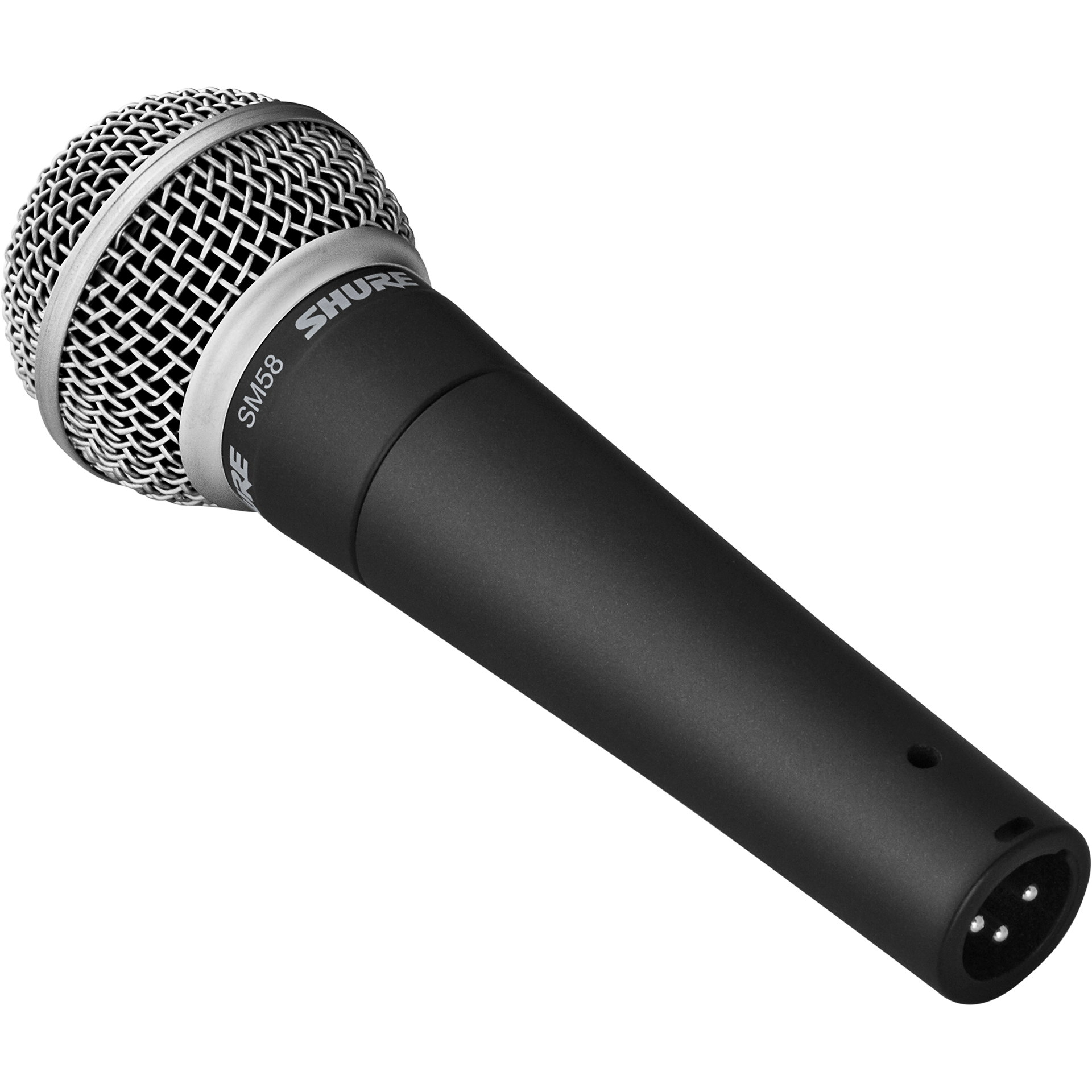
Understanding the Basics: How Microphones Work
Microphones are fascinating devices that transform sound waves into electrical signals, allowing us to capture and amplify sound. The basic principle behind a microphone's operation is the conversion of acoustic energy into electrical energy. When sound waves hit the microphone's diaphragm, it vibrates, creating changes in air pressure. These vibrations are then converted into corresponding electrical signals through various mechanisms, such as electromagnetic induction or capacitive changes, depending on the type of microphone. Understanding these fundamental concepts is essential for anyone interested in audio production or sound engineering.
There are different types of microphones, including dynamic, condenser, and ribbon microphones, each with unique characteristics. Dynamic microphones are durable and excellent for live performances, thanks to their ability to handle high sound pressure levels. In contrast, condenser microphones are more sensitive and better suited for studio recordings, capturing a broader frequency range and nuanced details. Lastly, ribbon microphones provide a warm and natural sound but are generally more fragile. By grasping these basic principles and types of microphones, you can make informed decisions when selecting the right microphone for your specific audio needs.
Counter-Strike is a highly popular first-person shooter series that has gained a massive following since its inception. It features team-based gameplay where players can choose to be either terrorists or counter-terrorists, each with their own objectives. The tactical depth and competitive nature of the game have made it a staple in esports, often featuring in tournaments around the world. Players often utilize various equipment and techniques to gain an advantage in matches, making strategy and teamwork essential for success. For those interested in creating content related to gaming, check out the Top 10 Mobile Vlogging Accessories for some great tools and gear.
Top Microphone Types and Their Best Uses
When it comes to choosing the right microphone for your needs, it's essential to understand the different microphone types and their best uses. The three most common types are dynamic microphones, condenser microphones, and ribbon microphones. Each type has its unique characteristics that make it suitable for various applications. For instance, dynamic microphones are durable and ideal for live sound settings, while condenser microphones are sensitive and perfect for studio recordings. Ribbon microphones, on the other hand, are revered for their warm sound quality, making them an excellent choice for capturing vocals and acoustic instruments.
Here is a brief overview of these microphone types and their best uses:
- Dynamic Microphones: Best suited for live performances and loud sound sources due to their robustness and ability to handle high sound pressure levels.
- Condenser Microphones: Excellent for studio settings, particularly for vocals and acoustic instruments, as they provide a wide frequency response and high sensitivity.
- Ribbon Microphones: Ideal for capturing a warm and natural sound, often used in studios for vocals, brass, and woodwind instruments.
Choosing the right microphone can significantly impact your sound quality, so consider your specific needs before making a decision.
Choosing the Right Microphone for Your Needs: A Comprehensive Guide
When it comes to choosing the right microphone for your needs, the first step is to determine your primary purpose. Are you a podcaster, musician, or content creator? Understanding your specific use case will help narrow down your options. For example, if you’re primarily recording vocals for a podcast, a dynamic microphone may be ideal due to its durability and noise rejection capabilities. In contrast, if you’re capturing a band or acoustic instruments, a condenser microphone might offer the sensitivity and detail you require.
Additionally, consider other factors such as budget, connectivity options, and environment. For those on a tight budget, USB microphones offer a user-friendly solution with decent quality for beginners. On the other hand, XLR microphones provide professional sound quality but require an audio interface. It’s also essential to evaluate your recording environment; if it's noisy, a microphone with good noise-canceling features can significantly enhance your recordings. By assessing these criteria, you’ll be well on your way to choosing the right microphone for your specific needs.