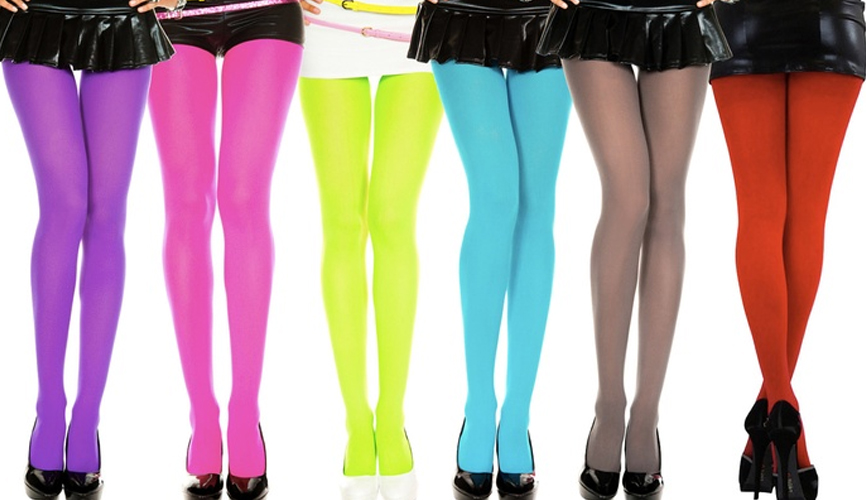
The Versatility of Nylon: From Activewear to Everyday Fashion
Nylon, a synthetic polymer, has become a staple in various industries due to its remarkable versatility. Originally developed as a substitute for silk, this lightweight and durable material has found its way into activewear, offering breathability and moisture-wicking properties that keep athletes comfortable during rigorous workouts. In addition to its athletic applications, nylon is also widely used in everyday fashion, from stylish jackets to chic accessories. This adaptability makes nylon an ideal choice for those who seek both performance and style in their wardrobe.
One of the key benefits of nylon is its durability; it resists wear and tear, retaining its shape and color even after frequent use. For everyday fashion, nylon pieces often incorporate modern designs, making them suitable for various occasions, from casual outings to professional settings. Additionally, nylon is easy to care for, which adds to its practicality for consumers who value convenience. Whether it's a pair of nylon leggings for a workout or a sophisticated nylon handbag for a night out, this fabric proves its worth across a spectrum of applications, making it an essential fabric in today's fashion landscape.
Counter-Strike is a popular team-based first-person shooter that has captivated gamers since its release in 1999. Players can choose to be part of either the terrorist team or the counter-terrorist team, each with distinct objectives. The game requires strategy, teamwork, and skill, making it a favorite in competitive gaming tournaments. For those looking to enhance their gaming experience, you might want to check out the Top 10 Lightweight Apple Watch Bands for keeping track of your stats on the go.
Why Nylon Is the Future of Sustainable Fashion
Nylon, a material traditionally known for its durability and versatility, is rapidly gaining recognition as a frontrunner in the realm of sustainable fashion. Recent advancements in technology have led to the development of regenerated nylon, sourced from post-consumer waste such as discarded fishing nets and fabric scraps. This innovative approach not only reduces reliance on virgin resources but also actively helps in cleaning up our oceans and landfills. By choosing regenerated nylon, brands are taking significant steps toward reducing their environmental impact, demonstrating that fashion can be both stylish and sustainable.
Moreover, the benefits of nylon extend beyond its eco-friendly production process. Unlike many natural fibers, synthetic fibers like nylon are robust and lightweight, allowing for the creation of long-lasting garments that can withstand the test of time. This durability contributes to a circular fashion economy, as consumers are less likely to discard clothing made from durable materials. As the fashion industry seeks to address pressing sustainability challenges, embracing innovations like nylon could play a critical role in shaping a more responsible future, one that prioritizes both environmental integrity and consumer needs.
How Nylon Revolutionized the Textile Industry: A Deep Dive
The introduction of nylon in the 1930s marked a transformative moment in the textile industry, revolutionizing the way fabrics were produced, marketed, and utilized. Created by chemist Wallace Carothers and his team at DuPont, nylon was the first synthetic fiber made entirely from petrochemicals. Its superior strength, elasticity, and resistance to mildew and abrasion made it an instant favorite for various applications, including clothing, upholstery, and industrial products. Moreover, the aesthetic appeal of nylon and its ability to be dyed in vibrant colors played a significant role in changing consumer preferences, driving demand for synthetic materials over traditional textiles.
The impact of nylon extended beyond just product transformations. It also paved the way for further innovations in textile technology, leading to the development of other synthetic fibers like polyester and acrylic. With nylon's rise, the textile market experienced a shift towards mass production and fast fashion, enabling manufacturers to produce garments at an unprecedented scale and speed. This shift not only increased accessibility to fashionable clothing but also changed consumer behavior, as buyers began to prioritize affordability and availability. Consequently, nylon not only revolutionized the production and texture of fabrics but also reshaped the entire landscape of the textile industry.