Understanding Ethereum: How Smart Contracts Transform Gaming
Ethereum has emerged as a revolutionary platform that allows developers to create smart contracts, self-executing contracts with the terms of the agreement directly written into code. This innovation is particularly transformative for the gaming industry, where smart contracts can facilitate secure and transparent transactions without the need for intermediaries. By leveraging the Ethereum blockchain, game developers can create decentralized applications (dApps) that ensure players have true ownership of their in-game assets. This not only enhances player engagement but also fosters a sense of trust in the gaming ecosystem.
Moreover, smart contracts enable the creation of unique gaming experiences through the use of non-fungible tokens (NFTs). With NFTs, players can buy, sell, and trade unique in-game items or characters, making each gaming experience personalized and valuable. According to recent studies, the integration of Ethereum and smart contracts in gaming can lead to increased revenue streams for developers and provide players with more rewarding experiences. As the gaming landscape continues to evolve, understanding the implications of Ethereum and smart contracts is crucial for both creators and players alike.
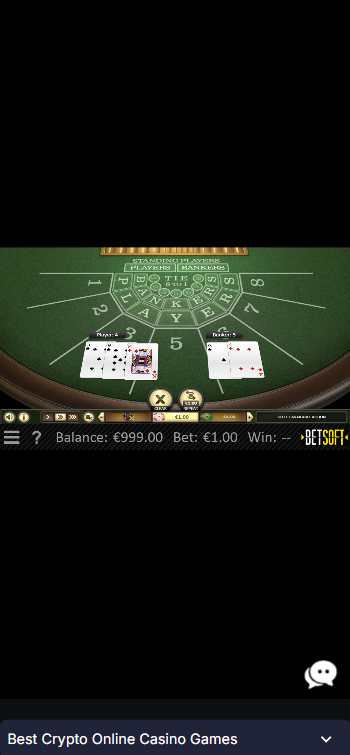
As the world of online gaming continues to evolve, many players are gravitating towards a crypto casino for its unique advantages. These platforms often offer faster transactions, enhanced privacy, and exciting bonuses compared to traditional online casinos. With the rise of cryptocurrencies, playing your favorite games with digital currencies has never been easier.
The Mechanics of Luck: Can Blockchain Truly Influence Chance?
The concept of luck has always fascinated humanity, and with the advent of modern technology, the question arises: can blockchain truly influence chance? Blockchain, a decentralized and immutable ledger technology, offers transparency and security in transactions, which can potentially redefine the way we perceive randomness. By utilizing algorithms to manage random number generation and using public verifiability, blockchain can foster a more reliable system for generating luck-based outcomes. This is particularly evident in applications ranging from online gaming to lottery systems, where trust in the process is paramount.
Furthermore, projects like smart contracts take this concept a step further by automating processes based on predetermined conditions. These smart contracts can ensure that outcomes, which might typically be subject to human error or manipulation, remain fair and unbiased. While luck will always retain an inherently unpredictable quality, blockchain technology provides a framework where processes governed by chance can achieve higher levels of fairness and verifiability. Thus, the influence of blockchain on chance is not about changing the nature of luck itself, but rather about creating systems that enhance trust in how luck is distributed.
Exploring the Future of Online Gambling with Ethereum Technology
The landscape of online gambling is rapidly evolving, with Ethereum technology at the forefront of this transformation. By leveraging blockchain's decentralized nature, Ethereum allows for greater transparency and security in online betting environments. Smart contracts, a core feature of the Ethereum network, enable automated and trustless transactions, significantly reducing the risk of fraud. This enhanced level of security not only boosts player confidence but also creates a more vibrant ecosystem for game developers and operators. As a result, we are witnessing a surge in decentralized gambling platforms that offer unique gaming experiences, free from traditional regulatory constraints.
Furthermore, the integration of Ethereum technology into online gambling could potentially reshape the entire industry by fostering innovation. Gamblers can now enjoy advantages such as instant payouts, lower fees, and access to a wider variety of betting options. With the rise of non-fungible tokens (NFTs), players can also participate in exclusive betting opportunities tied to unique digital assets. As the user base for cryptocurrency continues to grow, the future of online gambling appears to be a dynamic, player-centric environment where transparency, fairness, and engagement take center stage.