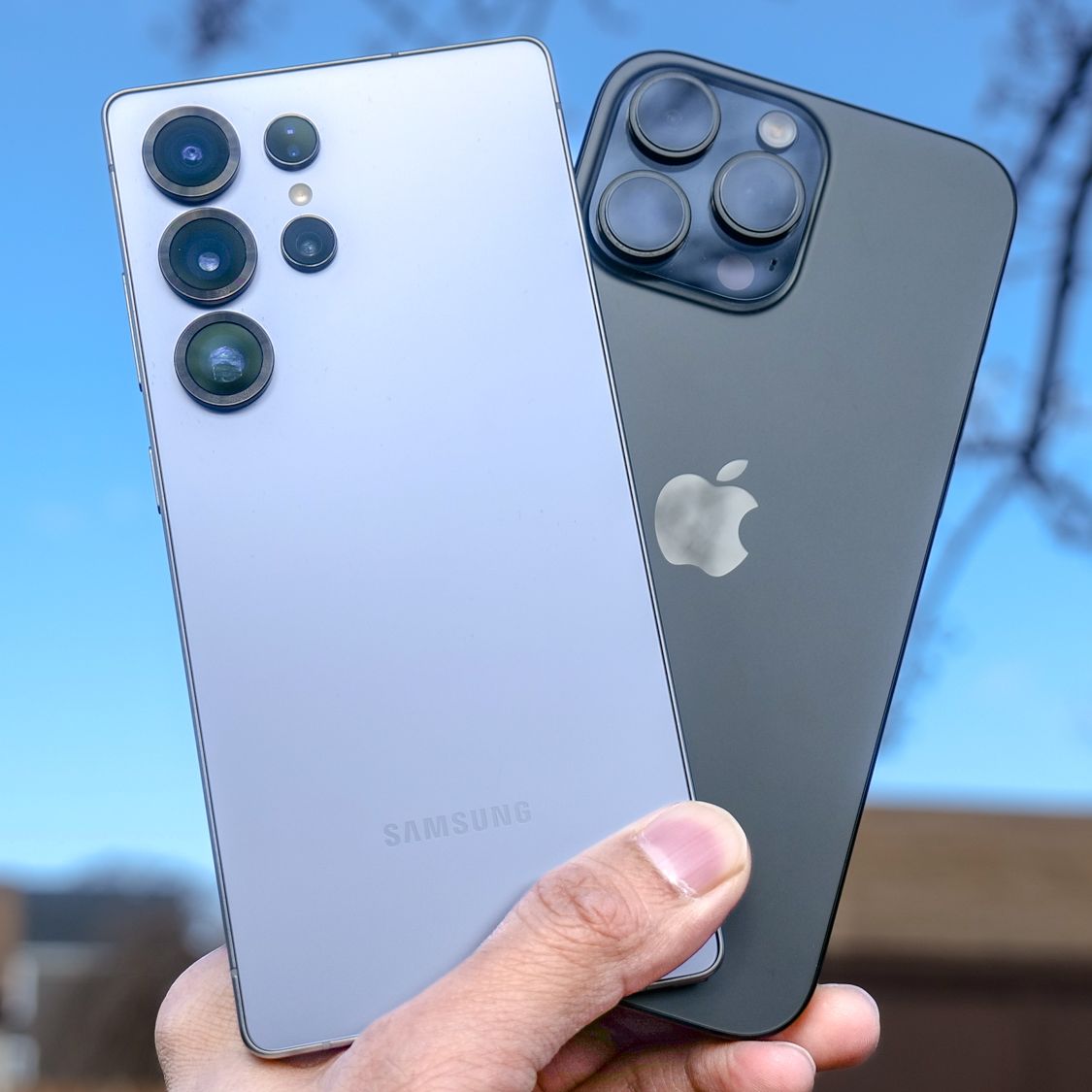
The Evolution of Communication: From Landlines to Smartphones
The journey of communication has witnessed an incredible transformation, starting from the humble landlines to the sophisticated smartphones we use today. In the early 20th century, the introduction of landline telephones revolutionized the way people connected with one another, enabling voice conversations over long distances for the first time. As technology advanced, the emergence of mobile phones in the late 20th century marked a significant milestone, making communication more accessible and portable. The ability to carry a phone in one's pocket paved the way for a more connected world.
With the advent of the smartphone in the 21st century, communication has evolved even further. These devices do not merely allow voice calls; they integrate multiple forms of communication such as text messaging, video calls, and social media. According to recent statistics, over 3.8 billion people worldwide now use smartphones, highlighting their central role in contemporary communication. This evolution has not only enhanced personal interactions but has also transformed global business practices, enabling instant connectivity and collaboration across borders.
Counter-Strike is a highly popular first-person shooter game that pits teams of terrorists against counter-terrorists in various objective-based missions. Players can purchase weapons and equipment before each round using in-game currency earned from their performance. For those looking to enhance their gaming setup, check out the Top 10 magsafe accessories to improve your overall experience. The game's competitive nature and tactical gameplay have made it a favorite in the esports community.
How Mobile Technology is Transforming Daily Life
The advent of mobile technology has brought about a seismic shift in the way we conduct our daily lives. From communication to entertainment, mobile devices are now central to our existence. According to recent studies, over 4.3 billion people globally use smartphones, transforming how we connect with each other. Mobile applications play a pivotal role in this transformation, as they offer solutions for everything from managing finances to ordering food. With just a few taps on our screens, we can access information, shop online, or even learn new skills, making our daily routines more efficient and enjoyable.
Furthermore, the integration of mobile technology into our daily lives goes beyond mere convenience. For instance, the rise of smart home devices allows us to control our environment remotely, enhancing our comfort and security. As we embrace innovations such as mobile payments and contactless transactions, the way we handle money is evolving. This shift not only streamlines our purchasing processes but also promotes a cashless society, making financial transactions quicker and safer. In summary, the transformative power of mobile technology continues to reshape our everyday experiences, illustrating its profound impact across various aspects of life.
Are We Dependent on Our Phones? Exploring the Psychological Impact of Constant Connectivity
In today’s digital age, it's undeniable that we have become dependent on our phones. These devices serve not only as communication tools but also as gateways to unlimited information, entertainment, and social interactions. Research suggests that the average person spends over four hours a day on their smartphone, which leads to the question: are we losing our ability to connect with the world around us? The psychological impact of constant connectivity can be profound, affecting our attention spans, our mental health, and even our relationships with others.
Moreover, this dependency can manifest in various forms, including anxiety when separated from our devices and a tendency to multitask at the expense of genuine engagement. Experts warn that our reliance on smartphones may lead to feelings of inadequacy, especially when comparing our lives to the curated versions seen on social media. As we explore the psychological impact of our phone usage, it becomes crucial to find a balance that allows us to enjoy the benefits of technology without sacrificing our well-being. Are we truly connected, or are we creating barriers to authentic human experiences?